How Fast Action Can Reduce Structural Damage After a Roof Leak

Roof leaks are often underestimated until visible damage begins to spread throughout a building. Whether caused by aging materials, storm damage, clogged drainage systems, or poor installation, leaks can quickly weaken structural components and create long-term property issues. In commercial properties, delays in addressing water intrusion may lead to costly repairs, operational interruptions, and safety concerns.
This is why emergency commercial roof repair plays a critical role in protecting buildings from escalating structural damage.
Fast action after a roof leak does more than stop water from entering the property. It helps preserve the integrity of the roof system, minimizes moisture penetration into building materials, and reduces the risk of hidden deterioration. Understanding how water damage spreads and why immediate response matters can help property owners make informed decisions when leaks occur.
Why Roof Leaks Should Never Be Ignored
Even a small roof leak can become a serious structural problem within a short period. Water naturally seeks the lowest point and may travel through insulation, ceilings, support beams, and walls before becoming visible. This hidden movement allows moisture to damage structural components without immediate detection.
Commercial buildings are especially vulnerable because of their larger roof surfaces and complex drainage systems. Flat roofs, HVAC penetrations, skylights, and seams can all become entry points for water.
Common consequences of untreated roof leaks include:
- Wood rot in support structures
- Corrosion of metal framing
- Mold and mildew growth
- Damaged insulation
- Interior ceiling collapse
- Electrical hazards
The longer water remains inside the building, the more expensive and extensive the repairs typically become.
How Water Impacts Structural Integrity
Water intrusion affects building materials in different ways depending on the type of structure and the duration of exposure. Many construction materials absorb moisture, which weakens their strength over time.
Damage to Wooden Structures
Wood is highly susceptible to moisture. When roof leaks soak wooden framing or decking, the material can begin to warp, soften, or rot. Structural wood weakened by water loses its ability to support weight effectively.
Over time, this may lead to:
- Sagging roof sections
- Cracked support beams
- Uneven ceilings
- Increased risk of collapse
Rotting wood can also attract pests such as termites, which further compromise structural stability.
Corrosion in Metal Components
Steel beams, metal fasteners, and support brackets may corrode when exposed to continuous moisture. Rust weakens the metal and can affect the load-bearing capacity of structural elements.
Corrosion may remain hidden behind walls or ceilings for months before visible signs appear, making early intervention especially important.
Weakening of Concrete Materials
Concrete may appear durable, but prolonged exposure to water can still cause deterioration. Moisture can seep into cracks, freeze during colder weather, and expand, causing the concrete to weaken further.
Water infiltration may also corrode steel reinforcement bars inside concrete structures, reducing their strength over time.
The Importance of Immediate Leak Detection
One of the most effective ways to reduce structural damage is identifying leaks early. Roof leaks are not always obvious, especially in large commercial buildings where water can travel long distances before becoming visible indoors.
Signs that may indicate a hidden roof leak include:
- Water stains on ceilings or walls
- Bubbling paint or drywall
- Musty odors
- Dripping water during rainstorms
- Increased indoor humidity
- Mold growth near ceilings
- Sagging ceiling tiles
Regular inspections can help detect minor issues before they turn into major structural problems.
How Fast Repairs Prevent Escalating Damage
Quick response after discovering a roof leak significantly limits the amount of water that enters the building. The faster repairs begin, the lower the chance of widespread moisture damage.
Limiting Moisture Spread
Water spreads rapidly through porous materials such as insulation, drywall, and wood. Immediate action helps isolate the affected area before moisture reaches deeper structural components.
Temporary measures such as tarping or sealing active leaks can buy valuable time until permanent repairs are completed.
Protecting Insulation Performance
Wet insulation loses much of its effectiveness. Once insulation becomes saturated, it can no longer regulate indoor temperatures efficiently. This leads to higher energy costs and may contribute to mold growth.
Fast roof repairs help preserve insulation and prevent unnecessary replacement expenses.
Preventing Mold Development
Mold can begin growing within 24 to 48 hours after moisture exposure. Once mold spreads, remediation becomes more complex and expensive.
Quick leak repair reduces the amount of trapped moisture and lowers the likelihood of widespread contamination.
Reducing Interior Property Damage
Roof leaks often damage more than the roof itself. Water can ruin ceilings, flooring, furniture, equipment, and inventory. In commercial settings, this may disrupt operations and lead to financial losses.
Acting quickly minimizes interior damage and shortens recovery time.
Common Causes of Commercial Roof Leaks
Understanding what causes roof leaks can help property owners reduce future risks and respond more effectively when problems arise.
Storm Damage
Heavy rain, hail, strong winds, and falling debris can puncture roofing materials or loosen flashing around roof penetrations.
Storm-related roof damage often develops suddenly and may worsen rapidly if left untreated.
Poor Drainage Systems
Flat commercial roofs rely on proper drainage to prevent standing water. Blocked drains or damaged gutters can cause water to pool on the roof surface.
Standing water increases pressure on roofing materials and raises the risk of leaks.
Aging Roofing Materials
All roofing systems have a limited lifespan. Over time, exposure to sunlight, temperature fluctuations, and weather conditions weakens roofing membranes and sealants.
Older roofs are more vulnerable to cracks, blistering, and seam separation.
Improper Installation
Poor workmanship during roof installation may create weak points where water can enter the building. Improper flashing installation and inadequate sealing are common causes of recurring leaks.
Lack of Maintenance
Routine roof maintenance is often overlooked until problems become severe. Small issues such as loose flashing or minor membrane damage can develop into major leaks if not addressed early.
See also: Essential Guide to Selecting Home Builders in Australia
The Role of Emergency Response Services
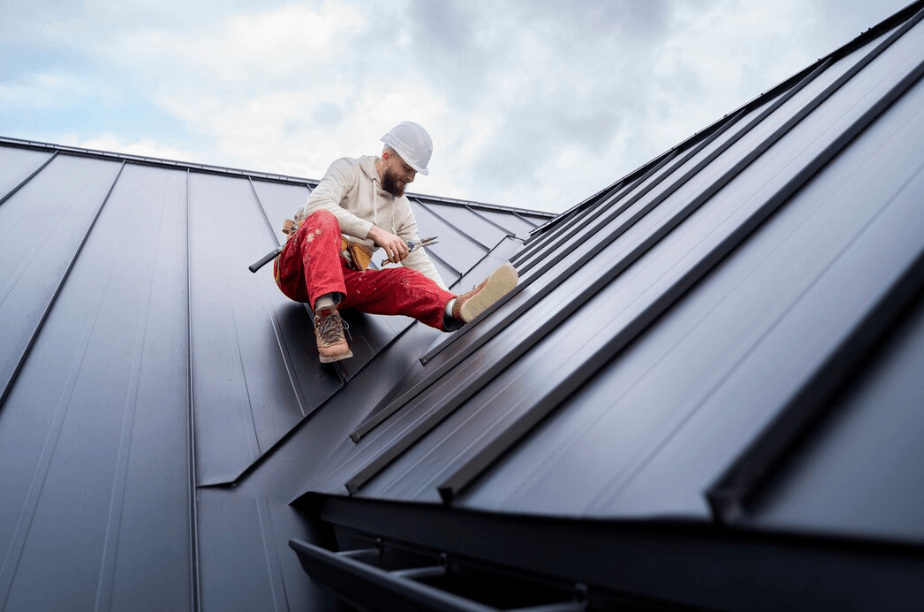
Emergency roof repair services focus on stabilizing the situation immediately after a leak is discovered. Their primary goal is preventing additional structural damage while preparing for permanent repairs. Learn how Nailed It Roofing Pros helps businesses in dealing with roof problems
Emergency response may include:
- Identifying the source of the leak
- Removing standing water
- Applying temporary protective coverings
- Securing damaged roofing materials
- Assessing structural safety risks
- Documenting visible damage
Fast emergency response is especially important after severe storms or sudden roof failures.
Long-Term Benefits of Acting Quickly
Fast action after a roof leak provides both immediate protection and long-term financial advantages.
Lower Repair Costs
Minor leaks are generally easier and less expensive to repair than widespread structural damage. Delaying repairs often allows problems to spread into walls, ceilings, insulation, and support systems.
Addressing leaks early can significantly reduce restoration expenses.
Extended Roof Lifespan
Timely repairs help preserve roofing materials and prevent avoidable deterioration. A properly maintained roof system can often last several years longer than a neglected one.
Improved Building Safety
Water-damaged structures may become unsafe for occupants. Weak ceilings, slippery floors, and compromised support systems increase the risk of accidents.
Fast repairs help maintain a safer indoor environment.
Reduced Business Interruptions
Commercial roof leaks can disrupt daily operations, especially if water damages equipment or creates unsafe conditions. Quick response minimizes downtime and helps businesses continue operating more efficiently.
Preventive Measures to Reduce Future Roof Damage
While emergency response is essential, prevention remains equally important. Regular maintenance and inspections help reduce the likelihood of severe roof leaks.
Recommended preventive measures include:
- Scheduling routine roof inspections
- Clearing drains and gutters regularly
- Repairing minor damage promptly
- Monitoring roof penetrations and flashing
- Replacing aging roofing materials when necessary
- Inspecting roofs after major storms
Preventive maintenance helps identify vulnerabilities before they become emergencies.
Warning Signs of Structural Damage After a Roof Leak
Even after repairs are completed, property owners should continue monitoring the building for signs of hidden structural issues.
Indicators of deeper structural damage may include:
- Persistent musty odors
- Cracks in walls or ceilings
- Uneven roof surfaces
- Doors or windows sticking unexpectedly
- Sagging support structures
- Peeling paint or bubbling drywall
Professional inspections may be necessary if any of these signs appear after a leak event.
Why Professional Assessments Matter
Roof leaks are not always straightforward. Water can travel through hidden pathways, making it difficult to determine the full extent of the damage without proper inspection methods.
Professional roofing assessments often include:
- Moisture detection technology
- Infrared roof scans
- Structural evaluations
- Drainage assessments
- Membrane inspections
Accurate evaluations help ensure that both visible and hidden damage are properly addressed.
Conclusion
Fast action after a roof leak can make a significant difference in limiting structural damage and preserving the integrity of a commercial building. Water intrusion spreads quickly through roofing systems, insulation, support structures, and interior materials, often causing hidden deterioration long before serious issues become visible.
Responding immediately to leaks helps reduce moisture exposure, protect structural components, prevent mold growth, and lower long-term repair costs. Regular inspections, preventive maintenance, and timely repairs all contribute to stronger building performance and improved safety over time.
In commercial properties, where roofing systems play a critical role in protecting operations and infrastructure, acting quickly after a leak is one of the most effective ways to avoid extensive structural damage and costly restoration work.