Integrating Drainage Solutions with Sustainable Landscaping Practices

Proper drainage is a non-negotiable part of sustainable landscaping. Without it, soil erosion, flooding, and plant stress become recurring issues that sabotage long-term landscape health. Implementing effective systems, such as French drains, dry creek beds, and grading techniques, not only controls excess water but also supports the ecosystem. When these systems are aligned with eco-conscious design, they contribute to resilient outdoor spaces that last season after season. Early planning for features such as drainage solutions in Atlanta ensures that sustainability goals remain intact, even under heavy rainfall.
Eco-Friendly Drainage That Works With the Landscape
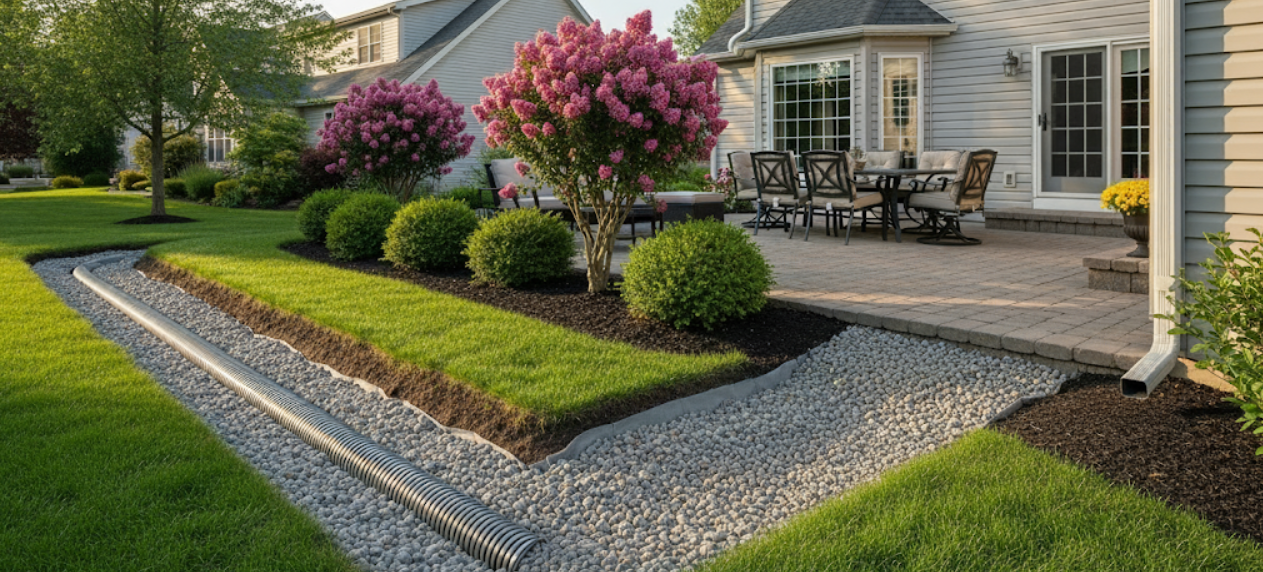
Rather than treating water as a problem, sustainable landscaping treats it as a resource. Designing with the natural contours of the land allows for redirection and slow absorption. Bioswales and rain gardens, for example, filter runoff through vegetation and soil before it enters waterways. These green infrastructure elements combine form and function, reducing pollution while enhancing curb appeal.
Professionally installed systems can also be supplemented with adjustments based on evolving landscape needs. Strategic use of gravel paths, mulch barriers, and natural berms supports overall drainage without the need for frequent intervention. To improve drainage in your yard, consider selecting permeable materials and maintaining clear drainage paths, which can help prevent common issues such as water pooling and root rot.
Eco-Friendly Drainage That Works With the Landscape
Rather than treating water as a problem, sustainable landscaping treats it as a resource. Designing with the natural contours of the land allows for redirection and slow absorption. Bioswales and rain gardens, for example, filter runoff through vegetation and soil before it enters waterways. These green infrastructure elements combine form and function, reducing pollution while enhancing curb appeal.
Professionally installed systems can also be supplemented with adjustments based on evolving landscape needs. The strategic use of gravel paths, mulch barriers, and natural berms supports overall drainage without requiring frequent intervention. By understanding the methods to improve drainage in your yard, such as grading, soil aeration, and installing native plants, property owners can achieve long-term success with healthier, more sustainable landscapes.
Planning for Sustainability Begins Below the Surface
Sustainable practices extend beyond the selection of plants. Proper landscape health begins beneath the soil line, focusing on water movement and balance. Compacted or poorly graded land will continue to undercut any above-ground aesthetic improvements. The key lies in combining professional grading with soil amendments that promote permeability, ensuring healthy root systems and nutrient circulation.
Additionally, incorporating native plants with deep roots helps stabilize the soil and enhances water absorption. These choices allow the landscape to adapt more easily to seasonal shifts. Understanding essential tips for effective landscape drainage planning helps in early collaboration with experts, ensuring the system is sized correctly and functions efficiently for years to come.
Balancing Beauty and Function in Drainage Design
Effective drainage systems can be integrated in ways that complement the surrounding design rather than disrupt it. Grated channel drains installed along hardscape or subtle catch basins in planting beds can be both practical and discreet. When done correctly, they manage water flow without drawing attention away from focal points, such as patios, walkways, or gardens. This seamless blend of utility and aesthetics helps maintain the visual integrity of the landscape, especially in areas where design continuity is a priority. Sustainable landscaping is no longer about compromise, it’s about smart integration of performance-driven solutions into appealing outdoor environments.
Conclusion
Blending effective drainage systems with environmentally conscious landscape design creates long-term value. Thoughtful solutions protect your property from water damage while preserving the natural beauty of the landscape. Investing in sustainable techniques enhances your outdoor space’s resilience against weather extremes without compromising its visual appeal.