Boat Engine Ventilation A Complete Guide to Efficiency Safety and Performance

Modern marine vessels depend heavily on reliable engine systems to ensure smooth operation, safety, and fuel efficiency. However, one critical aspect that is often overlooked is boat engine ventilation. Without proper ventilation, engine compartments can quickly become hot, humid, and filled with hazardous gases, leading to reduced performance, equipment damage, and serious safety risks.
Boat engine ventilation is not just a supporting system. It is a core requirement for maintaining engine health, protecting crew members, and ensuring compliance with marine safety standards. From small recreational boats to large commercial vessels, effective ventilation systems play a crucial role in marine engineering.
This article explores everything you need to know about boat engine ventilation, including how it works, why it matters, system types, benefits, design considerations, maintenance practices, and real-world applications.
What Is Boat Engine Ventilation?
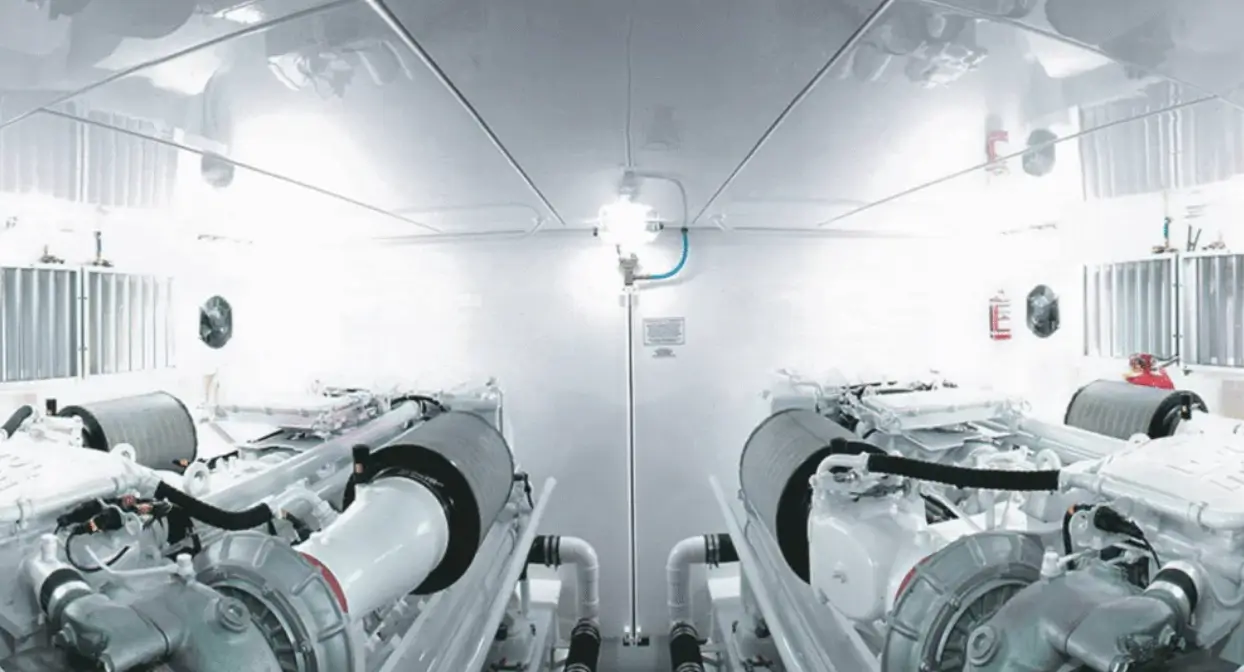
Boat engine ventilation refers to the process of supplying fresh air to the engine compartment and removing hot air, fumes, and exhaust gases. It ensures that the engine operates in a controlled environment where temperature and air quality are properly managed.
A well-designed boat engine ventilation system typically includes:
- Air intake vents
- Exhaust vents
- Blowers or fans
- Ducting systems
- Airflow control components
The main goal is to maintain a balanced airflow that supports engine combustion while preventing overheating and gas accumulation.
Why Boat Engine Ventilation Is Essential
Marine engines operate in enclosed compartments where heat and fumes can build up quickly. Without proper ventilation, several serious problems can occur.
Preventing Engine Overheating
Engines generate significant heat during operation. Without adequate airflow, temperatures inside the engine compartment can rise rapidly, leading to overheating and potential engine failure.
Removing Hazardous Fumes
Fuel vapors and exhaust gases such as carbon monoxide can accumulate in poorly ventilated spaces. Effective boat engine ventilation helps remove these dangerous gases, improving onboard safety.
Improving Engine Efficiency
Engines require a steady supply of oxygen for combustion. Proper ventilation ensures optimal air intake, which improves fuel combustion and overall engine efficiency.
Protecting Equipment Longevity
Excess heat and moisture can damage engine components over time. Ventilation helps reduce wear and tear, extending the life of mechanical and electrical systems.
How Boat Engine Ventilation Systems Work
Boat engine ventilation systems operate by creating continuous airflow through the engine compartment.
Air Intake Process
Fresh air enters the engine room through intake vents or ducts. This air provides oxygen for combustion and helps regulate temperature.
Air Circulation
Blowers or fans circulate air within the compartment, ensuring even distribution and preventing hot spots.
Exhaust Air Removal
Hot air, fumes, and gases are expelled through exhaust vents or duct systems, maintaining a balanced airflow.
A properly designed boat engine ventilation system ensures that intake and exhaust rates are balanced for maximum efficiency.
Types of Boat Engine Ventilation Systems
Different vessels require different ventilation solutions depending on size, engine type, and operating conditions.
Natural Ventilation Systems
Natural ventilation relies on airflow created by vessel movement and wind pressure.
Advantages:
- No power consumption
- Simple design
- Low maintenance
Limitations:
- Less effective at low speeds or in stationary conditions
- Limited control over airflow
Mechanical Ventilation Systems
Mechanical systems use powered fans or blowers to control airflow.
Advantages:
- Consistent airflow regardless of vessel speed
- Better temperature control
- Improved safety
Applications:
- Commercial boats
- Yachts
- Industrial marine vessels
Engine Room Blower Systems
These systems use dedicated blowers to extract hot air and fumes from engine compartments.
Advantages:
- High airflow capacity
- Efficient heat removal
- Suitable for enclosed spaces
Hybrid Ventilation Systems
Hybrid systems combine natural and mechanical ventilation for optimized performance and energy efficiency.
Key Components of Boat Engine Ventilation Systems
A complete ventilation system includes several essential components working together.
Air Intake Vents
These allow fresh air to enter the engine compartment. They are designed to prevent water intrusion while ensuring sufficient airflow.
Exhaust Vents
Exhaust vents remove hot air and gases from the engine room.
Ventilation Fans and Blowers
Mechanical fans are critical for maintaining airflow, especially in enclosed or high-power engine systems.
Ducting Systems
Ducts guide airflow efficiently throughout the engine compartment.
Filters and Grilles
These prevent debris, salt, and water from entering the system while allowing airflow.
Benefits of Proper Boat Engine Ventilation
A well-designed boat engine ventilation system provides multiple operational and safety benefits.
Enhanced Engine Performance
Improved airflow ensures optimal combustion, resulting in better engine performance and fuel efficiency.
Improved Safety
Ventilation reduces the risk of fire and gas buildup, ensuring a safer working environment for crew members.
Temperature Regulation
Consistent airflow helps maintain stable engine room temperatures, preventing overheating.
Reduced Maintenance Costs
Lower operating temperatures reduce stress on engine components, minimizing repair and maintenance requirements.
Better Fuel Efficiency
Efficient combustion supported by proper airflow leads to lower fuel consumption.
Practical Example Commercial Fishing Vessel Performance Improvement
A commercial fishing vessel operating in tropical waters experienced frequent engine overheating and reduced fuel efficiency. The engine room lacked proper airflow, especially during long operational hours.
After upgrading its boat engine ventilation system with high-capacity mechanical blowers and improved ducting, the vessel achieved:
- Stable engine temperatures during extended operations
- Reduced fuel consumption
- Improved engine reliability
- Fewer maintenance interruptions
- Enhanced crew safety in engine compartments
This improvement demonstrated how effective ventilation directly impacts operational performance and profitability.
Design Considerations for Boat Engine Ventilation
Designing an effective ventilation system requires careful planning and engineering.
Engine Size and Power Output
Larger engines generate more heat and require higher airflow capacity.
Engine Room Layout
The placement of equipment affects airflow patterns and ventilation efficiency.
Airflow Requirements
Proper calculations are needed to ensure sufficient air exchange rates.
Environmental Conditions
Saltwater exposure, humidity, and temperature variations must be considered in system design.
Noise Control
Ventilation fans should be designed to minimize noise, especially in passenger vessels.
Common Problems in Boat Engine Ventilation Systems
Poorly designed or maintained systems can lead to several issues.
Inadequate Airflow
Insufficient ventilation can cause overheating and reduced engine performance.
Moisture Accumulation
Poor airflow can lead to condensation and corrosion inside the engine room.
Blocked Air Intakes
Debris, salt, or marine growth can restrict airflow.
Fan Failure
Mechanical ventilation systems may fail due to wear, electrical issues, or poor maintenance.
Maintenance Practices for Boat Engine Ventilation Systems
Regular maintenance ensures long-term performance and reliability.
Routine Cleaning
Remove dust, salt deposits, and debris from vents and ducts.
Fan Inspection
Check blower motors and fan blades for wear or damage.
Airflow Testing
Ensure the system maintains proper airflow rates under operating conditions.
Seal and Duct Inspection
Inspect ducts for leaks or damage that could reduce efficiency.
Corrosion Prevention
Apply protective coatings where necessary to prevent rust and material degradation.
Industry Trends in Boat Engine Ventilation
Marine ventilation technology continues to evolve with modern engineering advancements.
Energy-Efficient Ventilation Systems
New systems use low-power fans and optimized airflow designs to reduce energy consumption.
Smart Monitoring Systems
Advanced sensors monitor temperature, airflow, and system performance in real time.
Lightweight Materials
Modern ventilation systems use corrosion-resistant lightweight materials to improve efficiency.
Noise Reduction Technology
Improved fan designs reduce noise levels while maintaining airflow performance.
Automation Integration
Some vessels now use automated ventilation systems that adjust airflow based on engine load and temperature.
Safety Standards and Regulations
Marine ventilation systems must comply with safety regulations to ensure safe vessel operation.
Fire Safety Requirements
Ventilation systems must prevent the accumulation of flammable gases in engine compartments.
Occupational Safety Standards
Proper ventilation protects crew members from exposure to harmful gases and heat.
Classification Society Guidelines
Many vessels must meet standards set by marine classification organizations for ventilation design and installation.
Choosing the Right Boat Engine Ventilation System
Selecting the right system depends on vessel type, operational requirements, and environmental conditions.
Evaluate Engine Room Size
Larger engine rooms require higher airflow capacity.
Consider Vessel Usage
Commercial vessels require more robust systems compared to recreational boats.
Assess Environmental Exposure
Saltwater and humidity levels influence material selection.
Focus on Energy Efficiency
Efficient systems reduce long-term operating costs.
Prioritize Reliability
Durable systems reduce downtime and maintenance costs.
Future of Boat Engine Ventilation Technology
The future of marine ventilation is focused on efficiency, automation, and sustainability.
Smart Ventilation Controls
Systems will increasingly use AI-based controls to optimize airflow dynamically.
Improved Energy Efficiency
Next-generation fans will consume less power while delivering higher performance.
Advanced Material Science
New composites will enhance durability and corrosion resistance.
Integration with Engine Systems
Ventilation systems will become more integrated with engine management systems for real-time optimization.
See also: Contract Management and Compliance Strategies for Growing Businesses
Conclusion
Boat engine ventilation is a critical component of marine vessel performance, safety, and efficiency. It ensures proper airflow, regulates engine temperatures, removes harmful gases, and protects both equipment and crew members from operational risks. Whether on small recreational boats or large commercial vessels, a well-designed boat engine ventilation system directly contributes to improved engine performance, reduced maintenance costs, and enhanced onboard safety.
As marine technology continues to advance, modern ventilation systems are becoming more efficient, intelligent, and environmentally friendly. Investing in a high-quality system ensures long-term reliability and operational success in demanding marine environments. For expert solutions tailored to your vessel’s ventilation needs, contact us