The Evolution Of Orthodontics From Traditional To Digital Solutions

The previous several decades have seen many changes in orthodontics, from basic mechanical approaches to more sophisticated computer choices. What was formerly a lengthy, unpleasant procedure is now more accurate, faster, and patient-friendly. Dentistry research has improved throughout time, and modern technology has been incorporated to enhance both the treatment outcomes and the patient experience.
The Beginning Of Modern Braces
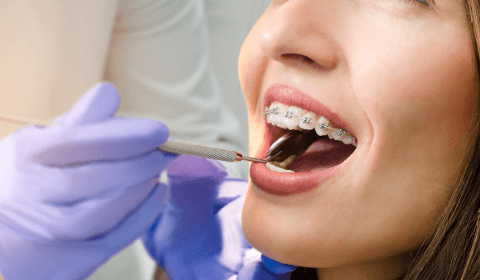
The introduction of stainless steel braces was a huge advancement in dental treatment. These braces operated better, lasted longer and were simpler to adjust than the previous ones. Braces are smaller, and wires are more comfortable now than they were years ago, so the whole experience is better for the patient.
In the end, ceramic braces were the better-looking option. They were less obvious since they blended in with the colour of the teeth. A less noticeable alternative was lingual braces, which go under the teeth. The new items revealed that consumers are more aware of the visual side and how things function together.
The Shift To Patient-Centred Care
With the changing face of orthodontics came a clear shift towards patient-centred treatment. Comfort, convenience of usage and tailored treatment regimens were given greater weight by orthodontists. This shift came about due to both the patients’ wishes and the advancement of dental studies.
During this period of transformation, many centres began to heed the advice of orthodontic care experts, who emphasised the significance of tailor-made solutions rather than one-size-fits-all methods. This was an essential time in the planning of the patient’s care, since the patient’s goals, habits and interests were highly significant.
Going More And More Digital
The most fundamental shift in the discipline has been the addition of digital technology to orthodontics. Digital photographs, 3D scans and computer-aided design have transformed the way orthodontists identify and correct teeth abnormalities.
Digital cameras have replaced the old-fashioned molds, and they provide incredibly accurate photographs of the teeth and jaw. These images allow orthodontists to develop highly precise treatment plans. Patients may even obtain a visual preview of what their new smile will look like before they start treatment.
One of the most intriguing effects of digital braces is the transparent aligner. These unique trays are used to shift the teeth into position over a period of time. They are simpler to remove, don’t show and are more comfortable than traditional braces. This revolutionary technology has made obtaining braces more enticing for youngsters and adults.
Improved Accuracy And Efficiency
Digital approaches have substantially enhanced the efficiency of dental care. Computer-aided planning ensures that every stage of the process is well planned. This implies that modifications don’t have to be made as regularly, and treatment timeframes are typically shortened.
Accuracy has also gone up a lot. Digital orthodontists can discover and repair even the slightest misalignment of teeth. This will lead to better outcomes in the long term and reduce the likelihood of trouble.
Improved Patient Experience
Orthodontics nowadays involves more than simply straightening teeth. It’s about delivering a frictionless, enjoyable experience. Digital technologies enable communication between patients and orthodontists. It is now easier to schedule appointments, maintain track of tasks, and have meetings.
Patients are also more comfortable, which is a positive. Advanced materials and custom-made equipment reduce irritation and suffering. Because you can take your aligners out to eat and clean your teeth, it is simpler to manage in day-to-day living.
See also: How Esketamine Treatment Centers Support Long-Term Mental Health Recovery
The Future Of Orthodontics
The future of braces is looking even brighter as technology continues to advance. The planning and diagnosis of diseases is expected to see a greater role for AI and machine learning. These technologies can look at plenty of data to forecast what will happen and help treatment programmes function better.
3D printing is another sector that is emerging. This allows for faster creation of personalised dental gadgets, which makes them even more helpful and accessible. More people will have access to these tools, which means more precise and personalised orthodontic care.
Conclusion
The incredible advancement in dental care is seen in how braces have changed throughout the years, from primitive techniques to computerised ones. What was formerly a lengthy and complicated procedure that required enormous instruments is now a simple process that patients can understand. Digital technology raises the standard for braces’ accuracy, comfort and efficiency.
This is excellent for patients and also provides orthodontists with additional tools to perform a better job. As long as individuals come up with new ideas, the future of orthodontics will be much better, and people will be able to modify their appearances even more and improve overall oral health.