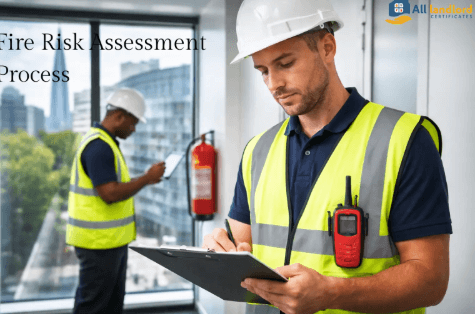
Fire Risk Assessment: Protecting People and Property

Fire Risk Assessment is an essential process designed to identify potential fire hazards and evaluate the risks they pose to people and property. Fires can cause serious injuries, loss of life, and extensive damage to buildings and assets. A well-conducted fire risk assessment helps prevent such incidents by ensuring that effective safety measures are in place and that everyone knows how to respond in an emergency.
What Is a Fire Risk Assessment?
A Fire Risk Assessment is a structured review of a building or workplace to identify fire hazards, assess the level of risk, and determine appropriate control measures. It focuses on three key elements of fire: ignition sources, fuel, and oxygen. Common ignition sources include electrical equipment and open flames, while fuel may consist of paper, chemicals, or flammable liquids.
The assessment also evaluates existing fire safety arrangements such as alarms, extinguishers, emergency exits, and evacuation procedures. Any weaknesses identified during the assessment must be addressed to reduce the overall fire risk and improve safety standards.
Identifying Risks to People and Property
Protecting people is the top priority of any fire risk assessment. This includes employees, residents, visitors, and contractors, as well as vulnerable individuals such as children, elderly people, or those with disabilities. Understanding how people move within a building and how quickly they can evacuate is crucial for effective emergency planning.
Property protection is equally important. Fires can destroy buildings, machinery, stock, and important records within minutes. A fire risk assessment highlights areas where property is most vulnerable and recommends measures such as safe storage of flammable materials, fire-resistant construction, and proper housekeeping to reduce fire spread.
Fire Prevention and Safety Measures
Once risks are identified, suitable fire prevention and protection measures must be implemented. These may include installing fire detection and alarm systems, providing appropriate fire extinguishers, and ensuring emergency lighting is functional. Clear and unobstructed escape routes, along with visible fire exit signage, are essential for safe evacuation.
Training and awareness are also key components of fire safety. Staff and occupants should be trained on fire procedures, use of fire-fighting equipment, and evacuation plans. Regular fire drills help ensure everyone knows their role during an emergency and can respond calmly and effectively.
See also: How a Home Construction Company Ensures Quality Control from Planning to Completion
Review, Maintenance, and Legal Compliance
Fire Risk Assessment is not a one-time task. It must be reviewed regularly, especially when changes occur such as new equipment, increased occupancy, or alterations to the building layout. Regular inspections and maintenance of fire safety equipment ensure continued effectiveness.
Compliance with fire safety laws and regulations is a legal requirement and helps avoid penalties or closures. More importantly, it demonstrates a strong commitment to safeguarding lives and property. By carrying out regular fire risk assessments, organizations can create a safer environment and significantly reduce the impact of fire emergencies