How Much Suction Do Robot Vacuums Need for Carpets?

Choosing the right suction power for a robot vacuum is essential to achieve efficient carpet cleaning. While these devices handle multiple floor types, carpets demand more specific suction capabilities. Understanding how much suction is necessary ensures deeper cleaning and prevents fiber damage. This guide explores suction metrics, carpet variations, and performance factors to help you make an informed decision for spotless, well-maintained carpeted floors.
Understanding Carpet Types and Suction Demands
Low-Pile vs Medium-Pile Carpets
Low-pile carpets, often seen in offices or high-traffic areas, need less suction because of their short, tightly woven fibers. Medium-pile carpets, more common in residential spaces, trap dirt deeper within their structure. To clean effectively, you’ll need slightly stronger suction to extract embedded debris. Selecting adjustable suction settings allows optimized cleaning for both surfaces while protecting delicate fibers from unnecessary wear and tear.
High-Pile and Plush Carpets
High-pile and plush carpets, known for their thick and cozy texture, require significantly stronger suction to clean thoroughly. The dense, long fibers can trap dust, pet dander, and hair deep below the surface. Models with automatic suction adjustment are ideal, as they increase power only when necessary. This adaptability prevents fiber damage while maintaining luxurious softness and freshness after every cleaning cycle.
Carpet Fiber, Density & Debris Load
A carpet’s fiber material, its density, and how much debris it collects directly influence suction needs. Dense fibers hold dust more tightly, while looser weaves may release it easily. Materials such as wool, nylon, or polyester each react differently to suction intensity. Understanding these characteristics helps you select a robot vacuum with a motor powerful enough to clean effectively without exhausting unnecessary energy.
What Suction Power Metrics Mean and Why They Matter
Pascal (Pa) and Other Suction Ratings
Robot vacuum suction strength is typically measured in pascals (Pa), representing the air pressure used to lift dirt. A higher Pa number usually indicates more power, though efficiency also depends on airflow design. Some manufacturers use Air Watts or cubic feet per minute (CFM) to measure suction differently. Familiarizing yourself with these units helps compare models accurately and choose the best option for your carpet type.
How Suction Interacts with Brush Systems
Suction alone doesn’t guarantee excellent cleaning results — it must work harmoniously with the brush system. Well-designed brushes loosen dirt from carpet fibers, allowing suction to remove it efficiently. Dual-roller or rubberized brushes prevent tangling and improve contact with uneven surfaces. The balance between suction and brushing action ensures a robot vacuum performs effectively on diverse carpet textures throughout your living space.
Why Stronger Suction Doesn’t Always Mean Better Results
More suction isn’t automatically better. Excessive power can make the robot vacuum stick to thick carpets or even damage fibers. Effective cleaning depends on balanced suction, intelligent sensors, and adaptable brush designs. A moderate, well-calibrated suction system maintains efficiency without compromising carpet integrity, ensuring your flooring remains vibrant, clean, and soft underfoot for the long term.
Ideal Suction Ranges for Different Carpet Scenarios
Routine Maintenance on Low-Pile Carpets
For everyday cleaning on low-pile carpets, suction power between 600 and 1000 Pa is usually sufficient. This level effectively captures dust, crumbs, and light debris while conserving energy and minimizing noise. The balance keeps carpets tidy and prevents overuse of the motor, making it ideal for routine upkeep and maintaining a fresh appearance without stressing the vacuum or flooring fibers.
Mixed Floors with Carpet Zones
In homes featuring both hard floors and carpets, adaptability is essential. Suction ranges between 1000 and 1500 Pa provide optimal flexibility, ensuring smooth transitions between surfaces. Automatic suction adjustment allows efficient cleaning without manual interference. Models with surface recognition technology handle multi-floor environments effortlessly, providing consistent cleanliness across tiles, rugs, and carpet zones throughout your home.
High-Traffic Areas, Pets, and Deep-Pile Carpets
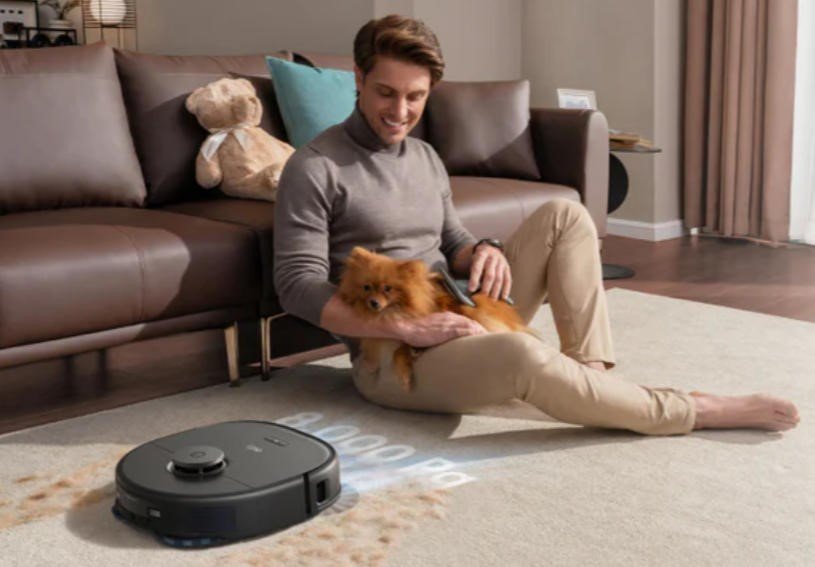
For deep-pile carpets, pet-heavy homes, or areas with frequent foot traffic, suction levels above 1500 Pa are typically recommended. This power range removes stubborn dirt and hair embedded in carpet fibers, maintaining hygiene and freshness. Vacuums with turbo or boost modes enhance efficiency, targeting tough messes as needed and ensuring your carpet retains both cleanliness and structural integrity over time.
Other Features That Boost Carpet Cleaning Performance
Carpet-Detection & Automatic Boosting
Many advanced robot vacuums now feature intelligent carpet-detection sensors that automatically increase suction when transitioning from hard floors to carpets. This adaptive technology optimizes cleaning without requiring user input, conserving energy while maintaining consistent performance. It’s a useful function for households with mixed flooring types, especially when considering seasonal promotions like black friday robot vacuum deals that offer excellent value.
Brush Roll Design and Contact with Carpet Fibres
The brush roll’s design heavily influences cleaning success. Stiff bristles can lift dirt from deep within fibers, but overly aggressive ones may damage carpets. A well-balanced brush, often rubberized or dual-material, enhances suction effectiveness by improving contact with the surface. The right combination ensures deep cleaning while preserving carpet softness and reducing long-term fiber wear.
Navigation, Traction & Battery Life for Carpet Areas
Efficient navigation systems help robot vacuums map and clean carpeted areas without missing spots. Enhanced traction control allows them to move seamlessly across varying pile heights, avoiding stalls or tangles. Longer battery life ensures the device completes full cleaning cycles even on high-resistance carpets. These integrated features contribute to a balanced performance and a hassle-free, automated cleaning experience.
Conclusion
Selecting a robot vacuum with the right suction level for carpets is key to achieving optimal cleaning results. Striking the perfect balance between suction power, brush design, and navigation ensures both performance and longevity. Understanding carpet characteristics and suction metrics helps you make an informed choice, keeping your floors immaculate. With the right vacuum, maintaining a clean, healthy home becomes effortlessly achievable.