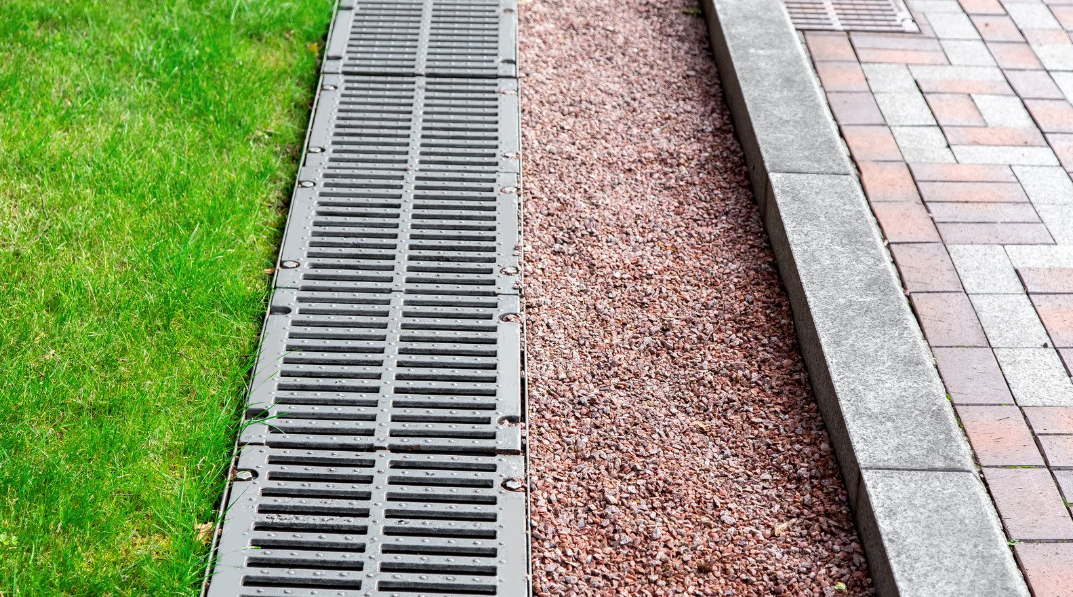
The Hidden Benefits of Gravel for Drainage, Weed Control, and More

Gravel is more than just a decorative element in landscaping; it plays a vital role in functionality, durability, and aesthetics. Whether you’re designing a walkway, enhancing your garden beds, or solving drainage issues, gravel offers a natural solution that blends performance with beauty. For residents considering gravel in Milton, understanding its benefits can transform the way your outdoor space functions and feels. With the right application, gravel can improve your property’s health and long-term value. Let’s explore the lesser-known advantages of gravel in your landscape.
Improving Drainage Naturally
Poor drainage can damage plant roots, erode soil, and cause pooling around your home. Gravel acts as a permeable surface, allowing rainwater to flow through and disperse efficiently. When layered correctly, it reduces waterlogging and runoff by encouraging infiltration into the ground below.
Gravel-filled trenches or French drains are often used to guide excess water away from structures, making it an effective method for protecting foundations and preventing landscape deterioration.
Suppressing Weed Growth
One of gravel’s most appreciated benefits is its ability to suppress weeds. When installed with a proper weed barrier beneath, gravel prevents sunlight from reaching weed seeds while offering a tough surface that is difficult for unwanted plants to penetrate.
Unlike organic mulch, which decomposes over time and may nourish weed growth, gravel retains its structure while offering long-term protection. This makes it a sustainable option for garden paths, patios, and bed borders.
Reducing Maintenance Needs
Gravel offers an easy-care alternative to turf or dense ground cover. Once installed, it requires minimal upkeep, no watering, mowing, or seasonal replacement. This low-maintenance quality appeals to busy homeowners looking for long-term solutions without constant labor.
For anyone unsure of where to start, learning how to choose the right gravel size makes a significant difference in how well the material functions in different areas of your yard.
Enhancing Soil Protection
Gravel is also excellent for preventing soil compaction and erosion. It acts as a buffer against heavy rainfall and foot traffic, preserving the structure and nutrient levels of the soil underneath. This protective layer keeps plant roots healthier while helping retain the natural contours of your land.
Many experts highlight the importance of quality stone and gravel in maintaining healthy landscapes over time. Cheap, inconsistent gravel blends can shift easily and lose effectiveness, while high-quality gravel stays in place and continues to perform its function.
Boosting Visual Appeal and Versatility
Gravel comes in a wide range of colors, sizes, and textures, offering design flexibility for all landscape styles. Whether you’re aiming for a rustic garden feel or a clean, modern border, gravel complements both aesthetics and structure. It can define spaces, guide movement, and highlight architectural features without overpowering the rest of the landscape. From functional driveways to peaceful walkways, gravel adds charm while serving a purpose.
Conclusion
Gravel is one of the most versatile and underrated elements in landscape design. It supports effective drainage, limits weeds, protects the soil, and enhances visual appeal, all while requiring very little maintenance. When thoughtfully selected and professionally installed, it can be a long-term asset for homeowners who want both beauty and practicality in their outdoor spaces. Whether you’re upgrading your yard or starting fresh, gravel deserves a closer look as a foundational landscape material.