
The Digital Zen: 7 Holistic Productivity Hacks to Master Your Semester Without the Burnout

The modern student experience is a relentless pursuit of deadlines and digital noise. While technology promises efficiency, it often delivers “hurry sickness”—a state of constant urgency that leaves students feeling physically drained and mentally fragmented. We are currently facing a significant shift in the academic landscape. According to the 2025 Healthy Minds Study, while severe depression rates among students have dipped to 18% (down from 23% in 2022), the level of “flourishing”—a measure of self-esteem and purpose—remains stagnant at just 36%.
This suggests that while we are getting better at managing crises, we are still failing at building sustainable, joyful academic lives. Entering a state of “Digital Zen” isn’t about abandoning your laptop; it’s about mastering a holistic ecosystem where your digital tools serve your mental peace, not the other way around.
The Burden of the “Hidden Curriculum”
Beyond the syllabus, students manage a “hidden curriculum” of logistics: financial planning, social maintenance, and the constant pressure of the 24/7 digital classroom. When these administrative and academic weights become mathematically impossible to balance, high-achieving students are increasingly turning to strategic delegation. For instance, when technical requirements exceed your current bandwidth, choosing to assignment help can be a pragmatic form of stress management. It allows you to maintain your GPA while preserving the mental energy required for deep, creative learning rather than just surviving the week.
1. Radical Monotasking: The 90-Minute “Deep Work” Block
The myth of multitasking is the primary enemy of Zen. Research indicates that it takes an average of 23 minutes to regain full focus after a single smartphone interruption. In a typical study session, students lose up to 40% of their productivity simply by switching tabs.
- The Hack: Move beyond the 25-minute Pomodoro. In 2026, cognitive scientists recommend 90-minute blocks to align with our ultradian rhythms.
- Action Step: Use a “Digital Sunset” app to hard-block all notifications. Treat these 90 minutes as a sacred appointment with your brain.
See also: How Emerging Tech Will Reshape Education by 2030
2. Analog Planning for Digital Clarity
Our brains are designed for processing, not for storage. Storing your entire to-do list in your head creates a constant “background hum” of anxiety known as the Zeigarnik Effect.
- The Hack: Use a physical, analog planner for your “Top 3” daily goals.
- The Science: A 2024 study published in Psychological Science confirmed that handwriting goals activates the Reticular Activating System (RAS) more effectively than typing, making you 42% more likely to achieve them.
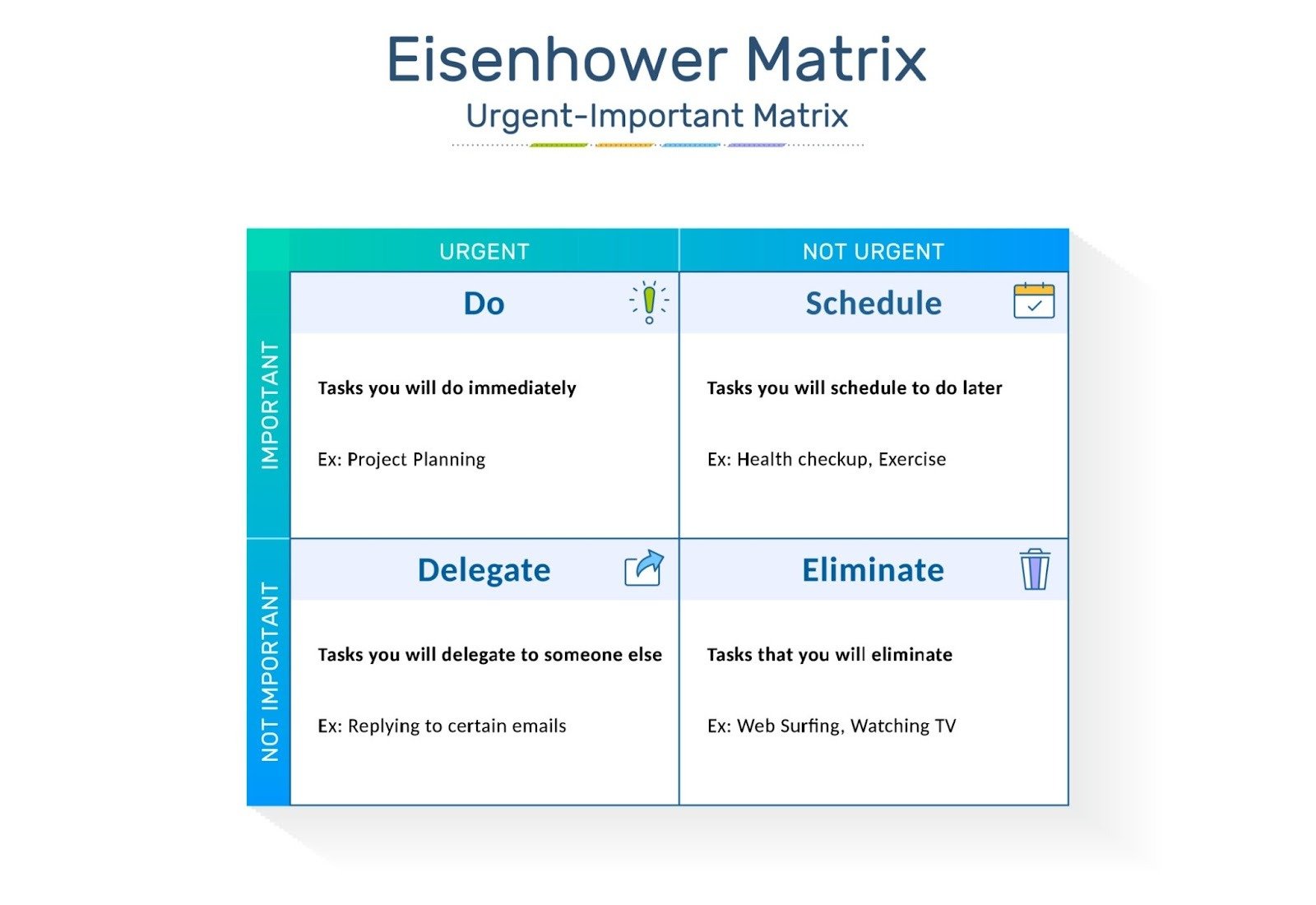
3. Strategic Delegation & Resource Optimization
True productivity isn’t about doing everything; it’s about ensuring everything gets done. The most successful professionals know when to outsource specialized tasks. Students often feel a false sense of guilt for seeking help, yet the 2026 Student Stress Report highlights that “academic workload” remains the #1 impediment to student health.
If you find yourself stuck on a complex project that is stalling your entire schedule, it is often more productive to pay someone to do my homework for those repetitive or highly technical modules. This “Positive Procrastination” allows you to focus your limited “cognitive gold” on the subjects that actually define your future career path.
4. The “Nature Break” Protocol
Staring at a blue-light screen for 10 hours a day induces “Directed Attention Fatigue.”
- The Hack: Implement the 120-Minute Rule. Data from The Lancet shows that spending just 120 minutes in nature per week significantly lowers cortisol levels.
- Action Step: Every two hours, step outside. No phone, no podcasts. Just five minutes of “soft fascination” with the natural world to reset your prefrontal cortex.
5. Nutrition for the “Cognitive Athlete”
Your brain consumes roughly 20% of your body’s energy. Most student “burnout” is actually nutritional or physiological.
- The Hack: Follow a “Glucose-Stable” study diet. Avoid the caffeine-and-sugar spikes that lead to the 3 PM crash.
- The Science: Hydration levels are directly linked to focus; a 2% drop in dehydration can cause a noticeable decrease in short-term memory and attention span.
6. Digital Minimalism & Environmental Design
Your environment is a silent coach. If your phone is visible—even if it is face-down and silent—your brain is actively using energy to not check it.
- The Hack: “Out of Sight, Out of Mind.” Place your phone in a different room during deep work blocks.
- Action Step: Use red and blue colors in your workspace. Recent studies suggest red increases attention to detail, while blue sparks creativity.
7. The Weekly “Retro” (Reflection)
Zen is found in the adjustment, not the perfection.
- The Hack: Every Sunday, conduct a 15-minute “Retrospective.” Ask: What drained me this week? What gave me energy?
- Action Step: Adjust your schedule for the following week based on these energy patterns rather than just the clock.
FAQs: Navigating the Zen Semester
Q: Isn’t delegating assignments considered taking a shortcut?
In the professional world, delegation is a leadership skill. In academia, utilizing support services is a way to manage an unrealistic “cognitive load.” It becomes a tool for learning when you use the provided solutions as a study guide for future exams.
Q: How do I start if I’m already feeling burnt out?
Start with the “Digital Sunset.” Disconnecting two hours before bed will regulate your circadian rhythm, providing the biological foundation needed to implement the other hacks.
Q: Can these hacks work for STEM majors with heavy workloads?
Yes. In fact, Informatics and Engineering students report the highest burnout rates (nearly 30% according to 2025 faculty data). For these majors, the 90-minute deep work block and strategic resource use are not just helpful—they are essential for survival.
References & Data Sources
- Healthy Minds Network (2025). National Study of College Student Mental Health. [Data on depression/flourishing trends].
- University of California, Irvine (2024). The Cost of Interrupted Work. [Focus recovery statistics].
- Research.com (2026). Student Stress Statistics & Analysis. [Academic workload impact data].
- The Lancet Planetary Health (2025). Nature and Mental Wellbeing. [The 120-minute rule study].